Oklahoma Gambling Laws
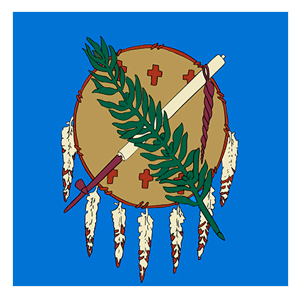 Oklahoma has one of the largest tribal gaming markets in the United States, but the legal framework behind it is different from states that license conventional commercial casinos. Gaming is primarily conducted by federally recognized tribes under federal law, tribal regulations and state-tribal compacts.
The modern market was significantly shaped by the State-Tribal Gaming Act, approved by voters through State Question 712 in 2004. The measure established a model compact that allowed participating tribes to offer specified Class III games while agreeing to regulatory requirements and exclusivity payments to the state.
According to the state's FY2025 Gaming Compliance Report, 33 tribes operated 138 facilities offering Class III gaming under the compact framework as of June 30, 2026.
Below, we break down the major Oklahoma gambling laws, tribal gaming rules, casino age requirements, legal games, online OK casinos from offshore sources, and agencies involved in regulating the industry.
Current Casino Gambling Laws Active In 2026
Local casinos in Oklahoma are legal, but most of the industry exists through tribal gaming rather than independently licensed commercial properties.
The legal structure has several layers. The federal Indian Gaming Regulatory Act (IGRA) provides the foundation for gaming on Indian lands, while the Oklahoma State-Tribal Gaming Act, model compact, individual tribal regulations and other state statutes determine how different activities can operate.
IGRA distinguishes between Class II and Class III gaming. Tribes retain primary regulatory responsibility, while Class III gaming generally requires an approved tribal-state compact. The National Indian Gaming Commission (NIGC) also maintains federal oversight under IGRA.
Outside these authorized frameworks, Title 21 of the Oklahoma Statutes contains broad criminal prohibitions against operating gambling games and commercial gambling businesses.
Major Oklahoma Casino Laws and Legislation
Oklahoma Casino Law Breakdown
| Law / Legislation | Year | What It Did |
| Indian Gaming Regulatory Act – 25 U.S.C. §§ 2701 et seq. | 1988 | Established the federal regulatory structure for tribal gaming and the compact process for Class III games. |
| Oklahoma Horse Racing Act – 3A O.S. § 200 et seq. | 1980s–present | Establishes the framework for horse racing, pari-mutuel wagering and the authority of the Oklahoma Horse Racing Commission. |
| State-Tribal Gaming Act | 2004 | Created the model compact framework that substantially expanded authorized tribal gaming. |
| State Question 712 | 2004 | Voter-approved measure establishing the State-Tribal Gaming Act and model compact framework. |
| Model Tribal Gaming Compact | 2004–present | Establishes covered games, regulatory requirements, licensing provisions and exclusivity payments for compacting tribes. |
| 21 O.S. § 941 | Current | Prohibits conducting specified unauthorized gambling games, including poker, roulette and craps. |
| 21 O.S. §§ 964–970 | Current | Contains definitions and restrictions involving unauthorized slot machines. |
| 21 O.S. § 982 | Current | Defines and prohibits commercial gambling outside authorized frameworks. |
Oklahoma's Casino Gambling Age
The minimum gambling age requires more explanation than in states with a single commercial regulatory system.
The model tribal compact ties eligibility for covered games to the age requirement applicable to pari-mutuel wagering. The compact states that an ineligible person cannot enter an area where covered games are played, operate a covered game or collect a prize from one.
In practice, 18 is the general minimum age for tribal gaming, although individual properties can impose a higher minimum age, particularly because of alcohol-service policies.
Players should therefore check the rules of the specific property they plan to visit rather than assuming every gaming floor has identical admission requirements.
Who Regulates OK Casinos?
There is no single state agency with the same centralized authority over all casinos that regulators have in conventional commercial gaming states.
Tribal gaming commissions serve as the primary regulators of their respective tribal operations. The state itself explains that tribes are the primary regulators of both Class II and Class III gaming locally.
The National Indian Gaming Commission provides federal oversight under IGRA. Tribes must also enact gaming ordinances that satisfy federal requirements and receive NIGC approval before opening gaming operations.
At the state level, the Office of Management and Enterprise Services Gaming Compliance Unit carries out oversight responsibilities assigned to the state under the compacts. Its responsibilities include monitoring compact compliance and exclusivity payments.
The Oklahoma Horse Racing Commission has additional authority involving racing and gaming conducted at regulated racetrack facilities.
Therefore, oversight can involve:
- Tribal gaming commissions
- National Indian Gaming Commission
- OMES Gaming Compliance
- Oklahoma Horse Racing Commission
- U.S. Department of the Interior
The exact regulator involved depends on the type of gaming and facility.
How Many Casinos Are In Oklahoma?
The state has one of the largest concentrations of tribal gaming facilities in the country.
According to the FY2025 Gaming Compliance Report, 33 tribes were operating 138 facilities offering Class III gaming under state-tribal compacts as of June 30, 2026.
The Chickasaw Nation and Choctaw Nation accounted for particularly large portions of the market, with the state report listing 24 Chickasaw facilities and 23 Choctaw facilities at that time.
These properties range from smaller gaming venues to major destination resorts with hotels, restaurants, entertainment and large gaming floors.
What Casino Games Are Legal?
Authorized tribal gaming facilities can offer a variety of games depending on their regulatory classification and applicable compact provisions.
Class II gaming can include bingo and certain bingo-style electronic games, while compacted Class III gaming provides access to additional electronic products and qualifying card games.
Common gaming options found at tribal properties include:
- Electronic gaming machines
- Bingo and electronic bingo
- Blackjack
- Poker
- Other authorized card games
- Certain table games
The exact game selection varies by property and tribal gaming authority.
The legal distinction between authorized tribal gaming and gambling elsewhere is important. 21 O.S. § 941 generally prohibits conducting poker, roulette, craps and other specified games for money outside an applicable legal exception or authorized framework.
Casino Gaming At Oklahoma Racetracks
Horse racing has its own statutory and regulatory structure under Title 3A.
The Oklahoma Horse Racing Commission regulates race meetings and pari-mutuel wagering and also performs regulatory functions involving casino gaming at racetracks.
Its Law Enforcement Division states that agents assigned to casino gaming inspect electronic gaming machines, work with independent testing laboratories, investigate possible violations and perform background investigations on people applying to work in regulated gaming areas.
The Commission also licenses people and businesses involved professionally in casino gaming at OHRC-regulated facilities.
Tribal Gaming Exclusivity Fees
One of the most important financial components of the compact system is the exclusivity fee.
Participating tribes make payments to the state in exchange for the exclusive right to operate compacted gaming. The current fee structure is:
- 4% of the first $10 million in annual adjusted gross revenue from electronic covered games.
- 5% of the next $10 million.
- 6% of electronic-game AGR exceeding $20 million.
- 10% of monthly net win from table games.
These payments generate substantial state revenue. OMES reported that FY2025 exclusivity payments directed approximately $194.3 million to the Education Reform Revolving Fund and $26.5 million to the General Revenue Fund, with an additional statutory allocation to the Department of Mental Health and Substance Abuse Services.
Are Online Casinos Legal In Oklahoma?
The state does not currently operate a state-regulated real-money online casino market comparable to those found in states such as Michigan or Pennsylvania.
The existing State-Tribal Gaming Act and model compact created a framework centered on authorized tribal gaming facilities rather than a statewide internet casino licensing system.
However, there are numerous online casinos operating from offshore that accept 18+ players from the state. Our OnlineOklahomaCasinos.com reviews guide discusses some of the legal online gaming options and the site features each on possesses. You can also visit the sites below with the links provided to engage in free play or to sign up for a new account.
| Site | Bonus | Rating | Visit |
|---|---|---|---|
 | 100% Up To $3,000 |  | Play Now |
 | 200% Up To $3,000 | | Play Now |
 | 200% Up To $2,500 | | Play Now |
 | 300% Up To $2,000 |  | Play Now |
 | 325% Up To $9,750 | | Play Now |
 | 300% Up To $3,000 | | Play Now |
Oklahoma Gambling Laws FAQs
Resources
Legal Disclaimer: This page is intended to provide general information about online gambling laws and should not be relied upon as legal guidance. We are not attorneys, and laws governing internet wagering may differ by jurisdiction or change over time. For questions about what is permitted in your area, consider contacting the relevant gaming regulator, local authorities, or a licensed attorney.