
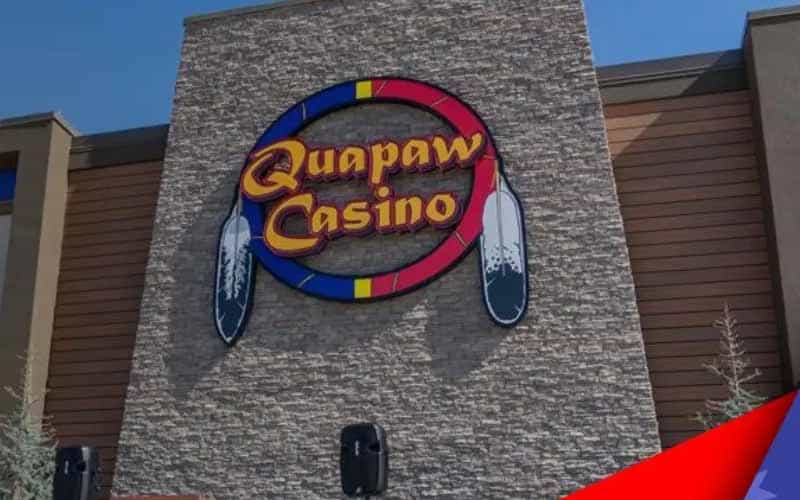
 The Quapaw Nation marked a significant milestone in Oklahoma’s gaming landscape with the grand opening of its new Quapaw Casino facility on February 19, 2026.
The modernized venue, located at 58100 E. 64 Rd. in Miami, OK., replaces a 25-year-old predecessor and introduces an array of updated amenities designed to elevate the guest experience for both local patrons and regional visitors.
The ribbon-cutting ceremony drew community leaders, tribal members, and industry stakeholders to celebrate the completion of a multi-year project. The refreshed complex houses more than 450 slot machines, a state-of-the-art kitchen, a family-friendly dining room, and a craft brewery—amenities that reflect the tribe’s commitment to broadening its entertainment offerings beyond traditional gaming.
“We envisioned a venue that honors the Quapaw Nation’s legacy while meeting today’s expectations for quality entertainment and hospitality,” said Quapaw Nation leadership at the opening. With updated infrastructure and guest services, the new facility positions itself as a competitive destination in northeast Oklahoma’s thriving casino market.
Industry observers note that the expanded footprint of tribal casinos like Quapaw reinforces Oklahoma’s status as a top gambling jurisdiction in the United States. With more than 100 land-based casinos statewide, including several large resorts, Oklahoma consistently ranks among the states with the most expansive on-site gaming floors in the nation.
Land-Based Strength Amid Online Gambling Limits
While brick-and-mortar casino growth continues, the legal framework for online casinos in Oklahoma remains unsettled. Oklahoma has not yet legalized or regulated online casino gaming that operates domestically under state authority. As a result, residents seeking digital gaming options often access platforms based outside the United States that are licensed in international jurisdictions.
Despite the current lack of in-state legislation for online casinos, Oklahoma’s land-based casino sector continues to thrive. The Sooner State boasts tribally operated Class II and Class III gaming venues that contribute significant revenue and employment, while ongoing discussions among lawmakers occasionally touch on broader forms of digital gambling, including potential future legalization.
Bridging Physical and Digital Gaming Demand
Gaming analysts see a two-track evolution unfolding in Oklahoma: continued investment in high-quality physical casino facilities and a growing player reliance on offshore online casinos to satisfy digital gambling demand. The Quapaw Casino’s grand opening exemplifies the state’s commitment to enhancing physical gaming infrastructure, while the sustained interest in international online platforms highlights unmet demand for regulated online alternatives.
Industry stakeholders suggest that any movement toward domestic online casino legalization would significantly reshape the market, bringing new tax revenues and regulatory oversight that could benefit both operators and players alike. Until such policy changes occur, offshore online casinos will remain an important part of the gaming ecosystem for Oklahoma residents seeking digital engagement.
In the meantime, the new Quapaw Casino stands as a symbol of the state’s dynamic casino economy, one that continues to expand physical offerings while keeping pace with evolving consumer preferences in the broader gambling world.